There are plenty of words used for celebrants, sometimes interchangeably, and it can be difficult working out what they mean in order to choose which celebrant is right for you. Here are a few helpful, short outlines to help you find the celebrant who will be a good fit for you and your ceremony.
All celebrants have the opportunity to offer their choice of a range of services including funerals, memorials, naming, commitment and vow renewal ceremonies.
They can also offer you the freedom of choosing the time and venue for your ceremony, which could include being outdoors in the mountains.
There are plenty of celebrants to choose from – specialising in a huge variety of diverse areas which may be a good fit for your personality and preferred style, beliefs, culture and values.
The main points of difference involve :
- Personal choice – to work with a celebrant who aligns with your views of the world – whether that’s religious or non-religious, spiritual, or open-minded.
- Arrangements for Legal Marriages and Civil Partnerships in Scotland.
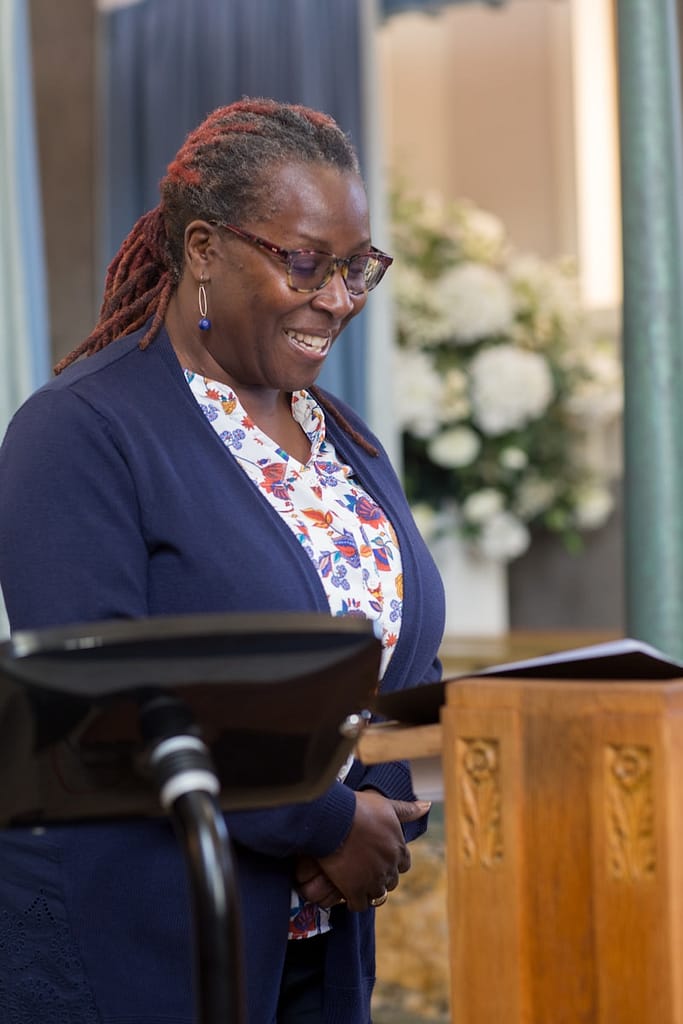
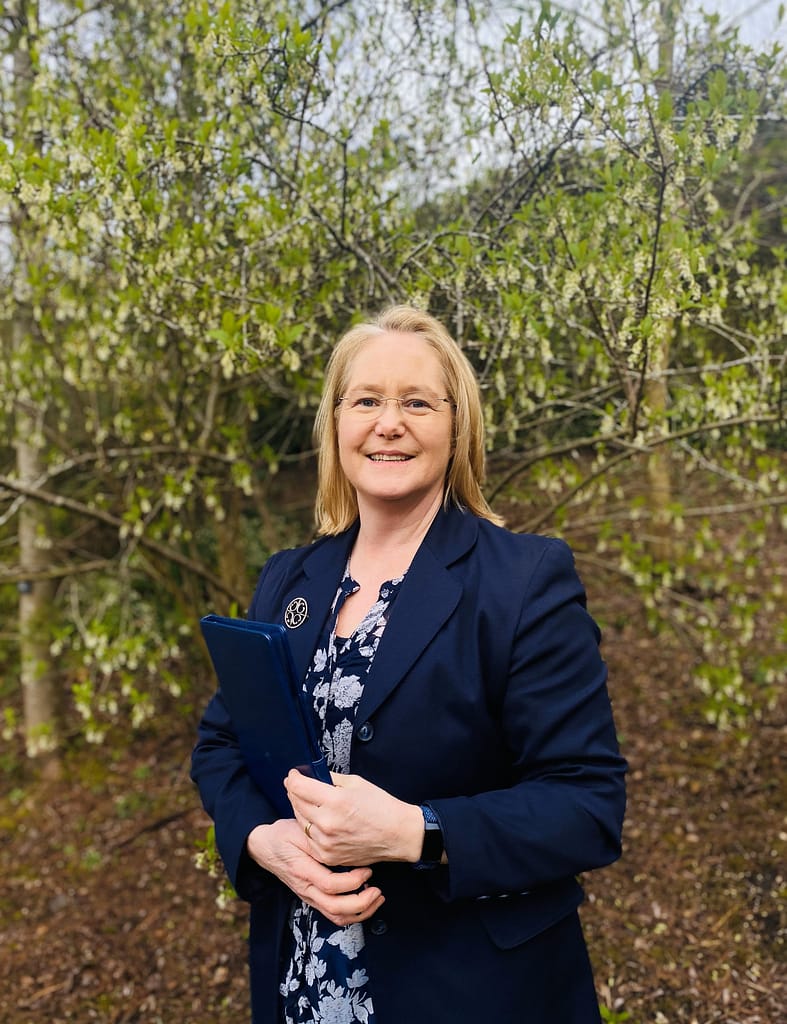
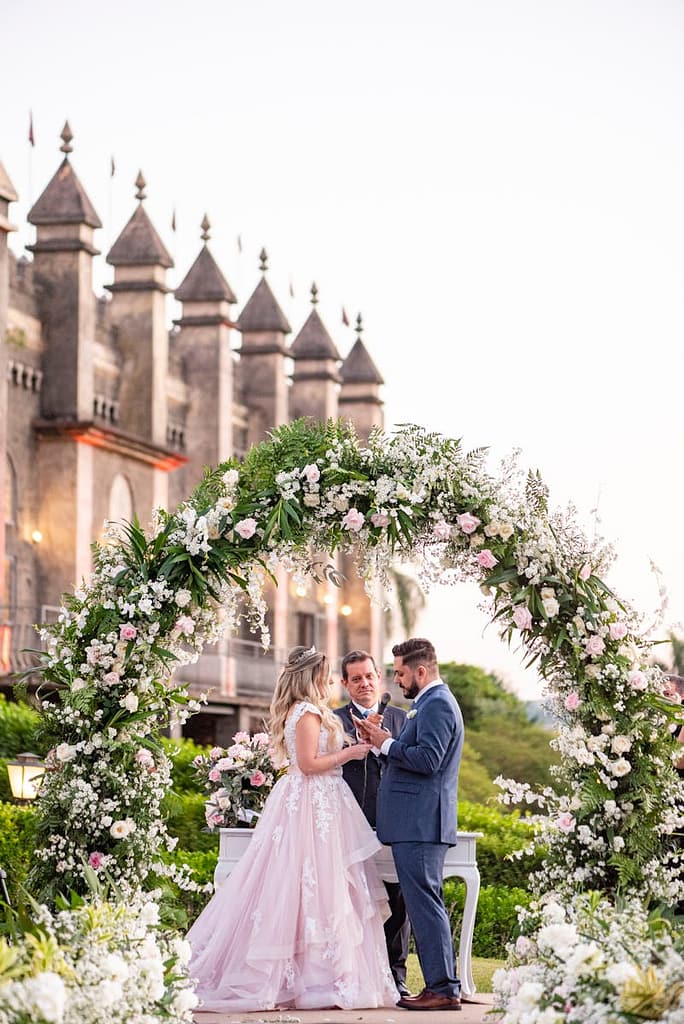
Civil or Independent Celebrants – usually create and lead highly personalised ceremonies which can be non-religious, or include religious elements in a funeral, naming, commitment, vow renewal or wedding blessing ceremony. They are not authorised to conduct legal marriages or civil partnerships, therefore couples need to arrange for their legal paperwork to be completed at the registrars office, usually before or on the day of their wedding blessing.
Humanists or Humanist Celebrants – are completely non-religious, and in Scotland (except for funerals) they may ask that you become a paid-up member of a Humanist organisation, as a demonstration that you share the same beliefs and values. They may be authorised by the National Registrars of Scotland to conduct legal marriages and civil partnerships.
Celebrants or Ceremonialists from Belief Groups – may be authorised by the National Registrars of Scotland to conduct legal marriages and civil partnerships, provided that the people they work with align with the beliefs and values of their belief body. There are a range of different belief bodies in Scotland including agnostic, pagan, spiritual and interfaith groups.
Marriage Officers – In Scotland, marriage officers work for Registrars and are trained to perform legal marriage and civil partnership ceremonies on their behalf.
Registrars – work in the registry office and will complete your legal paperwork. They are also authorised to conduct marriage or civil partnership ceremonies. Some registrars offer limited additional options for the ceremony content and venue.
I hope this helps you to find the celebrant who is a perfect fit for you!