
Legal Weddings & Civil Partnerships
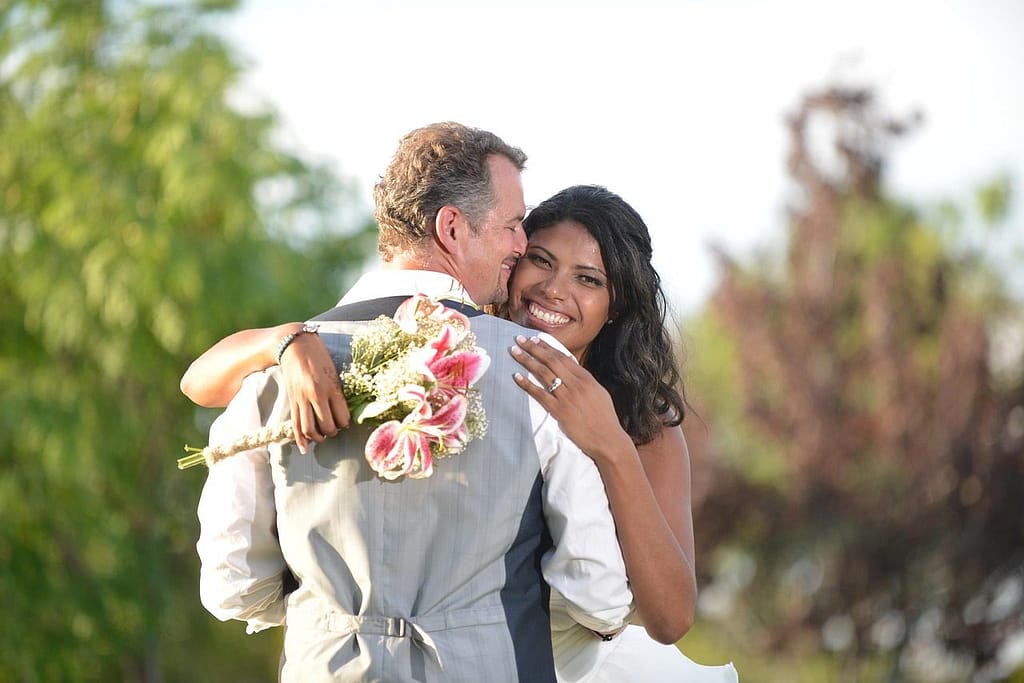
Your wedding day is more than a legal formality. It’s an opportunity to celebrate your relationship, make meaningful promises and share one of life’s most important moments with the people you love. Together, we’ll create a ceremony that honours your commitment and marks the beginning of your next chapter together.
Marriage Made Legal. Celebration Made Personal.
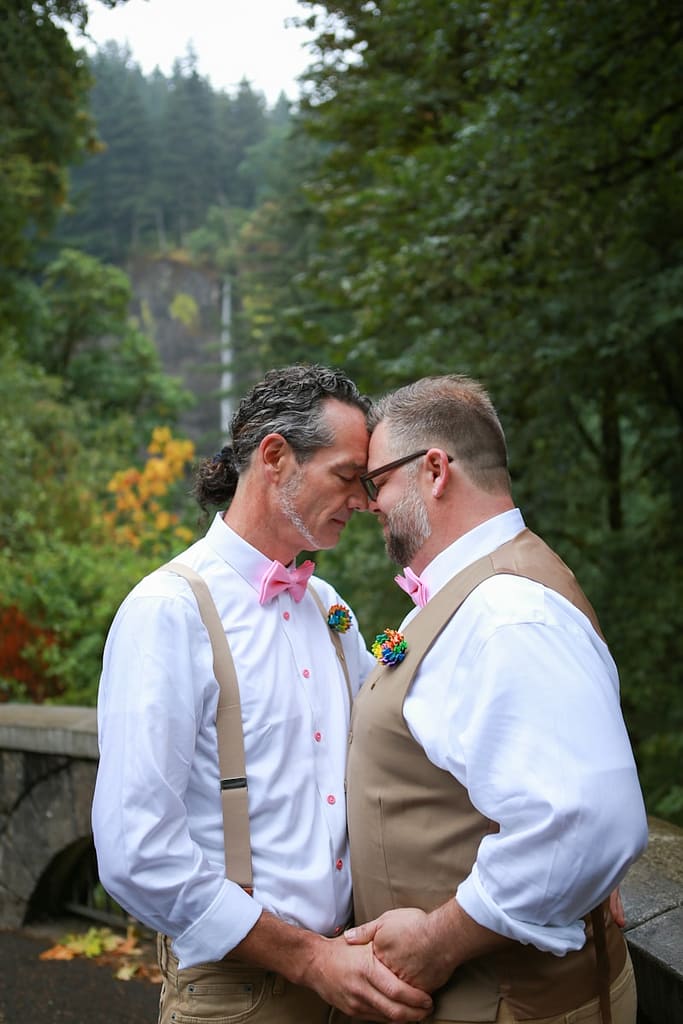
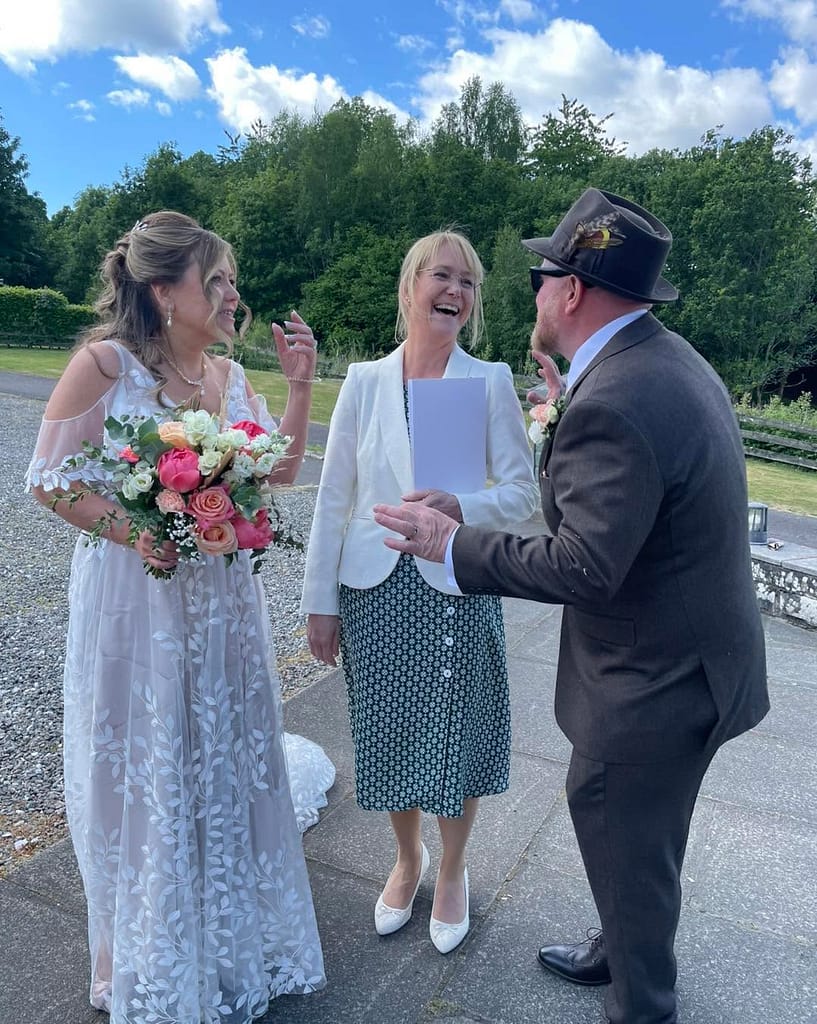
As an authorised celebrant with Rites and Rituals Scotland, I conduct legally recognised marriages and civil partnerships throughout Scotland.
My approach is open-minded, inclusive and spiritually grounded, welcoming couples from a wide range of religious, spiritual and non-religious backgrounds.
Every couple deserves a ceremony that feels as unique as their relationship. I’ll take time to get to know you and understand what’s important to you, creating a ceremony that reflects your personalities, values and hopes for the future.
Whether your ceremony includes personal vows, family traditions, meaningful rituals, religious or spiritual elements, or simply a reflection of your own beliefs and values, we’ll create something that feels genuine, personal and unmistakably yours.
The Freedom To Create A Ceremony That’s Truly Yours
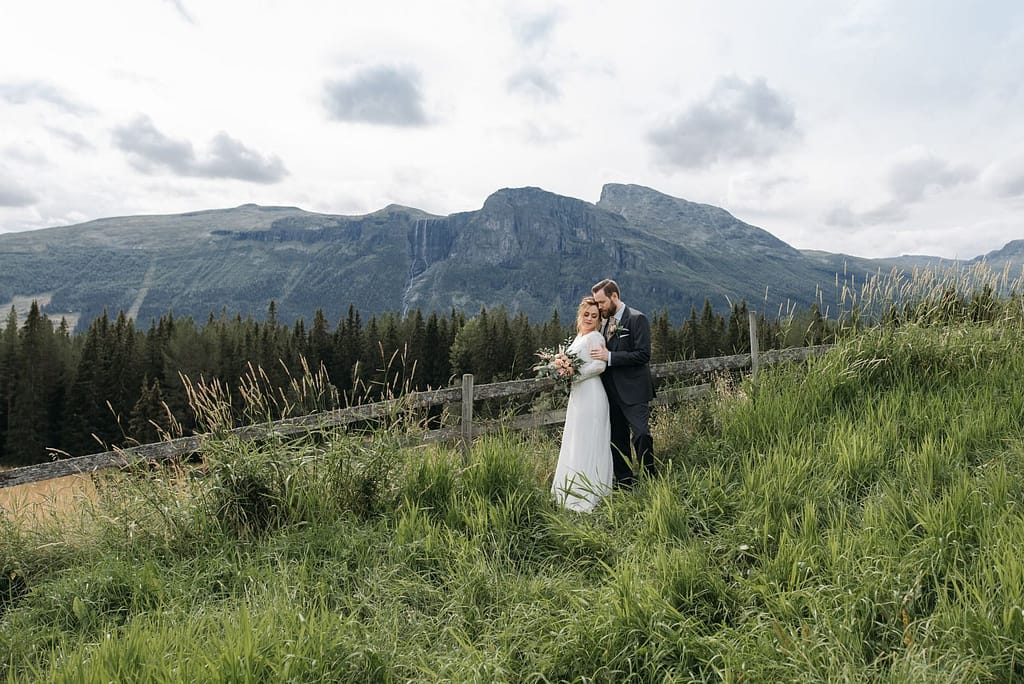
One of the things that makes legal celebrant-led weddings in Scotland so special is the freedom they offer. Unlike many parts of the world, your legal ceremony can take place in a location that is meaningful to you.
Whether you’re planning an intimate beach elopement, a gathering in a woodland, a celebration at home or a larger wedding in one of Scotland’s stunning venues, you have the freedom to choose a setting and style that feels right for you.
And because no two couples are the same, your ceremony will be shaped around the commitment you’re making and the life you’re creating together, providing a meaningful foundation for the next chapter of your journey.
Frequently Asked Questions
Are you authorised to conduct legal marriages and civil partnerships?
Yes. I am authorised to conduct legally recognised marriages and civil partnerships throughout Scotland through my membership of Rites and Rituals Scotland.
We don’t know where to start. Will you help us with the legal process?
Of course. While I can’t complete the legal paperwork for you, I’ll explain the process, talk you through the requirements and help you understand the steps involved in registering your marriage or civil partnership.
What paperwork do we need?
You’ll need to submit the appropriate marriage or civil partnership notice forms to your local registrar within the required timescales. I’ll guide you through what is required and when.
Can we get married anywhere in Scotland?
One of the joys of a celebrant-led wedding is the freedom it offers. Your ceremony can take place almost anywhere that’s meaningful to you, from a beach, woodland or garden to a family home or special venue, provided you have the necessary permission. If you choose to marry on a boat, it must be moored at the location agreed with the registrar.
Can we include children, family members and our dog?
Absolutely. The people and companions who are important to you are very welcome to play a part in your ceremony. Many couples choose to involve children, family members, friends and beloved pets in meaningful and memorable ways.
Can we write our own vows?
Yes. Many couples choose to write their own vows or promises, while others prefer traditional wording. There are a few legal declarations that must be included in a Scottish marriage ceremony, and these can often be woven naturally into your personal vows. I’m happy to provide as much guidance as you’d like and help you find an approach that feels right for you.
Can we include religious or spiritual elements?
Yes. Your ceremony can include religious, spiritual, cultural or symbolic elements that are meaningful to you. Some couples blend traditions from different backgrounds, while others prefer a non-religious ceremony. Together, we’ll create a ceremony that reflects your beliefs, values and relationship.
Can we say our vows in another language?
Yes. You’re very welcome to include vows or readings in another language. For legal purposes, however, the required legal declarations must also be spoken in English.